![Mortgage Investors Group in [Dynamic1]](../assets/images/mortgage-investors-group.svg)

Have you made some mistakes with your credit?
Paying bills late, charging up your credit cards, and applying for too much credit can all negatively affect your credit history. Unfortunately, since your credit report is one of the main things lenders look at to determine whether you can afford a house, bad credit can hinder your purchasing plans.
The good news: By making some positive changes in how you handle credit, you can rebuild your credit and open up more options for yourself.
Improve Your Credit
Here are simple steps for improving your credit.
#1: Review your credit report.
You can access a free copy of your credit report at www.annualcreditreport.com. Go over every line and look for:
- Credit that isn’t yours. This may happen if you have a common name, or it may be evidence of identity theft.
- Inaccurate reports of late payments.
- Errors in your name, date of birth, Social Security number, address or other personal information.
- Accounts that have gone into collection.
If you find information in your report that is incorrect…
#2: Dispute errors.
You have the right to dispute anything on your credit report that isn’t true. Reach out online or by mail to one of the three bureaus. Be prepared to share your personal information and documentation to prove the item on your credit isn’t yours or did not happen.
The bureaus have 45 days to investigate and respond to your dispute.
#3: Get your payments current (and pay on time).
Late payments are the single biggest factor in decreasing your credit score, which is why paying your bills on time is an absolute must for improving your credit. If you have current bills that are late, re-do your budget so you can get them paid. Once they are current, make paying them on time a priority.
Even if you’ve made late payments in the past, every month you pay on time adds positive payment history to your credit report. Over time, you’ll see your credit improve.
#4: Pay down your credit cards.
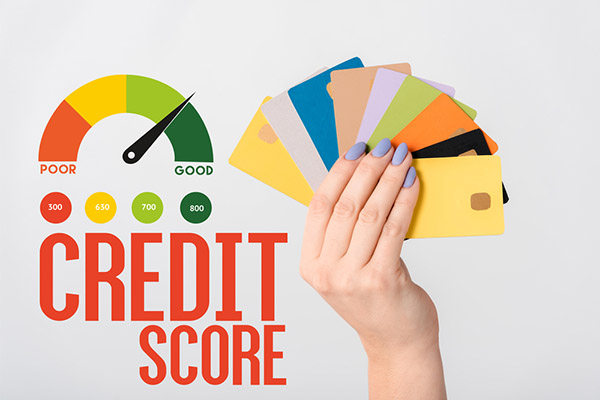
Lenders don’t like to see large amounts of credit card debt. They use a debt-to-income ratio to measure your credit worthiness, where they compare your debt load to your income. If your debt load is too high, you won’t be able to qualify for a mortgage.
If you’ve run up your credit cards, get a plan for paying those balances down or off.
#5: Avoid opening too many lines of credit.
Lenders view opening too many lines of credit in a short time as a risky move. Every time you apply for credit, the creditor makes an inquiry on your credit report. Too many of these can negatively impact you.
If you’re tempted by those store credit cards that give you a percentage off your purchase, just say no.
#6: Ask parents, siblings, or your spouse to add you as an authorized user.
If a loved one has excellent credit, being added to one of the credit cards lets you “borrow” their good credit history. This move can increase your credit score fast.
Maintain Good Credit
Once you build a strong credit profile, you need to protect it. The following are long-term tips for maintaining excellent credit.
#7: Plan big purchases.
Instead of whipping out the plastic to pay for that shiny new fridge or awesome vacation, save for it in advance. By proactively planning for large purchases, you can avoid the temptation of taking on unnecessary debt.

#8: Build an emergency account.
Even if it’s only $10 a paycheck, start stashing money away for a rainy day. That way, if your washer breaks or your vehicle needs to be repaired, you have the funds to cover it without using your credit card.
#9: Charge on your credit cards (minimally).
This may sound like it goes against everything we just said, but it doesn’t. You need to use credit wisely to keep excellent credit. Plan to charge a tank of gas or a meal out once a month and pay off your balance. These purchases will keep adding positive information to your credit report and help you maintain high credit scores.
#10: Regularly repeat Step #1 and #2.
Since information is constantly being added to your credit report, there are always chances of errors happening. At a minimum, look at your credit report once a year. Immediately dispute any errors to keep it clean and accurate.
Rebuilding your credit takes time and patience, but it’s well worth the effort. By increasing and protecting your credit, you’ll enjoy more attractive interest rates and a large range of loan options when you buy a house, vehicle, or make other credit purchases.


