![Mortgage Investors Group in [Dynamic1]](https://migonline.com/assets/images/mortgage-investors-group.svg)
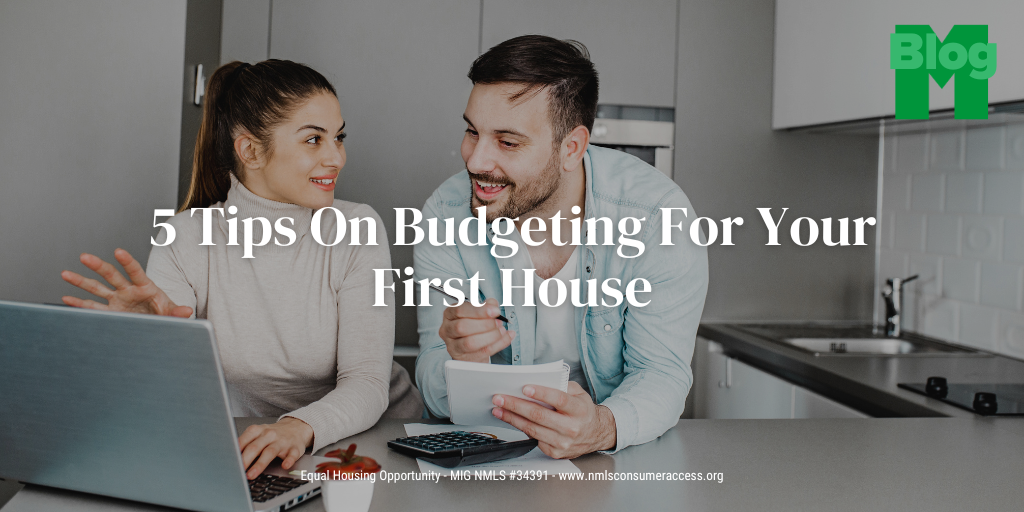
5 Tips on Budgeting for Your First House
Posted by : Moneek-2
Buying your first home is a big milestone—but the financial side can feel overwhelming if you’re not prepared. A smart, realistic budget doesn’t just help you qualify for a mortgage; it ensures you can actually enjoy your home once you have it.
Here are five practical tips to help you budget with confidence.
1. Look Beyond the Listing Price
The purchase price is just the starting point. First-time buyers are often surprised by how many additional costs come into play.
- Closing costs (typically 2–5% of the home price)
- Property taxes and homeowners insurance
- Moving expenses and immediate repairs
A home that fits your price range on paper can feel very different once these extras are included—so build them into your plan early.
2. Set a Comfortable Monthly Payment
Just because a lender approves you for a certain amount doesn’t mean you should spend it.
- Aim to keep your total housing payment within a manageable percentage of your income
- Include mortgage, taxes, insurance, and any HOA fees
- Leave room for savings, emergencies, and everyday life
A comfortable payment gives you flexibility—and peace of mind.
3. Save More Than the Down Payment
Your down payment is important, but it’s not the only cash you’ll need.
- Keep an emergency fund (ideally 3–6 months of expenses)
- Budget for furnishing and initial upgrades
- Plan for maintenance costs right away
Walking into homeownership with zero savings left can make even small issues feel like major setbacks.
4. Understand Loan Options and Trade-Offs
Different loan types affect your upfront and monthly costs in different ways.
- Lower down payment loans may require mortgage insurance
- Adjustable-rate mortgages can start lower but change over time
- Interest rates significantly impact long-term affordability
Take time to compare scenarios so you understand what you’re committing to—not just now, but years down the road.
5. Plan for Ongoing Maintenance
Renters call the landlord when something breaks. Homeowners call… themselves.
- Set aside 1–3% of your home’s value annually for maintenance
- Expect seasonal costs like HVAC servicing, lawn care, or gutter cleaning
- Be ready for unexpected repairs (appliances, plumbing, roofing)
Planning ahead keeps surprises from turning into financial stress.
Budgeting for your first home isn’t about stretching to your limit—it’s about creating a stable foundation for your future. When your finances are in good shape, homeownership becomes far more enjoyable and sustainable.
Take the time to plan wisely now, and your first home can feel like a milestone worth celebrating—not a burden to manage.